
Search...
What is Chamber Music? A Beginner’s Guide
Chamber music is classical music written for a small group of instruments, and it was originally intended to be performed in a private room rather than a concert hall. West Cork Music has presented chamber music in Bantry since 1995, and the West Cork Chamber Music Festival has grown into one of Europe’s leading events dedicated to the form.
<h2The History of Chamber Music
Chamber music developed in European courts and private homes from the 17th century onwards. It was written for small groups of friends or household musicians to play together rather than for public performance. The string quartet — two violins, viola and cello — became its most enduring format, with composers from Haydn and Mozart through to Beethoven, Brahms and beyond writing some of their most personal and demanding work for this combination.
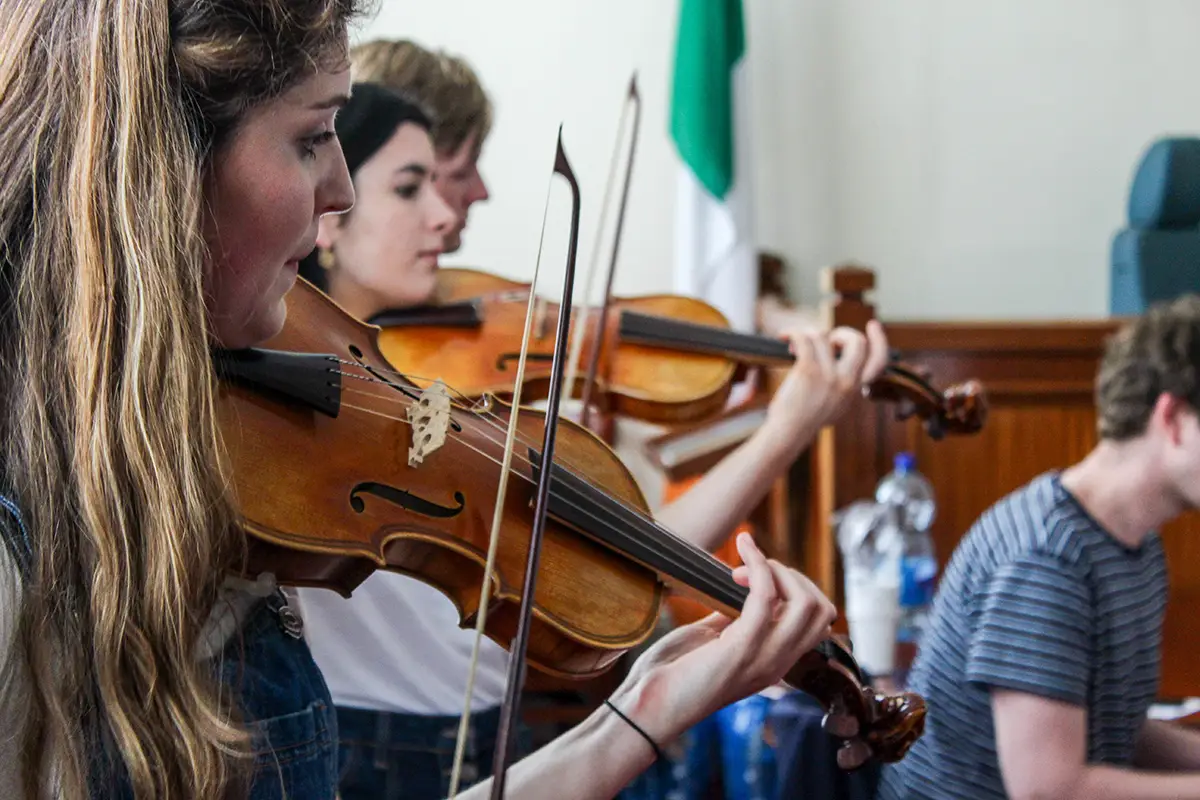
Unlike orchestral music, chamber music has no conductor. The musicians lead the performance themselves, listening and responding to one another in real time. You can gain an insight into this process by sitting in on one of the festival masterclasses, where you can listen in on the conversations quartets have with each other when they rehearse.
What Makes Chamber Music Distinctive
Because each musician plays their own part rather than sharing it with a section, the instruments become like voices in a conversation. They ask, answer, tease, and retort, as well as listen intensely to each other. These musical conversations are often reflected in the intense and dynamic physical interactions between players as each performance unfolds.
The intensity of the relationships between the players, the instruments, and each piece helps to explain why chamber music is often called the most intimate form of classical music.
<h2Chamber Music Today
Chamber music is a living art form, and West Cork Music regularly commissions new work which is premiered in Bantry as part of its festival programming. West Cork Music actively cultivates the skills of emerging chamber musicians through its education programme and chamber music workshops.
Chamber Music at West Cork Music
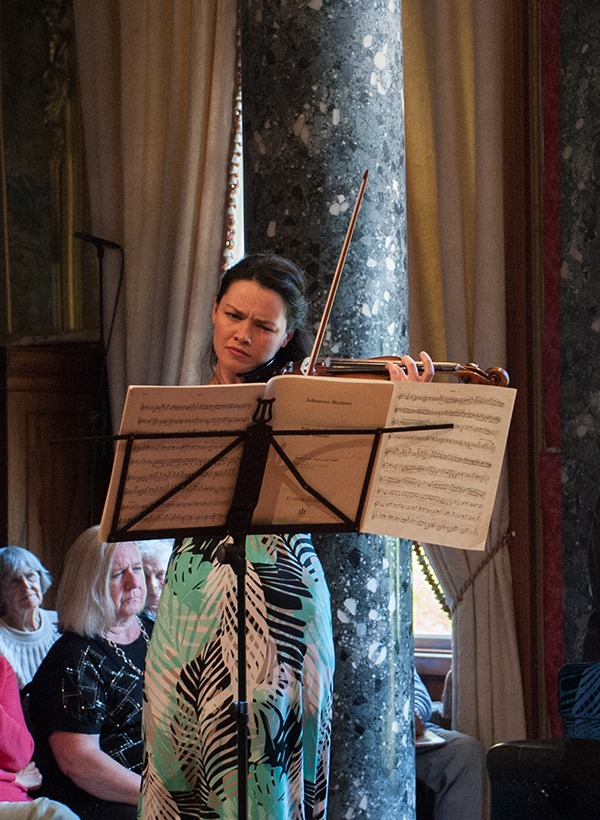
The West Cork Chamber Music Festival takes place each summer in Bantry, with concerts held primarily in Bantry House, and St Brendan’s Church, venues whose intimacy and acoustic have become part of the festival’s identity. Now in its 31st year, the festival brings together international string quartets, soloists and ensembles alongside emerging Irish talent, with up to four concerts a day across ten days.
Free fringe concerts also take place on Whiddy, Sherkin, Bere and Heir islands throughout the festival, as well as in the nearby villages of Durrus, Ahakista and Schull.
For full programme and ticket information, visit the Chamber Music Festival programme page.
Further Reading and Resources
For more on the history and repertoire of chamber music, the Chamber Music Society resources at major orchestras and conservatoires offer useful further reading. For tickets and full programme information, visit westcorkmusic.ie/whats-on/literary-festival-programme/
FAQs
Chamber music is classical music written for a small group of instruments. They were originally performed in private rooms rather than concert halls, and so Bantry House is a very appropriate setting for our West Cork festival!
Common combinations include the string quartet (two violins, viola and cello), piano trios, and small wind ensembles, though the form covers many combinations of instruments.
No. Chamber music is performed without a conductor. The musicians lead the performance themselves and responding to one another directly.
The West Cork Chamber Music Festival in Bantry, County Cork, is one of Europe’s leading chamber music events. It takes place in Bantry each summer on West Cork’s southwest coastline. It features international and Irish performers, showcasing their talents for local as well as Irish and international audiences.
The festival takes place from 25 June to 4 July 2027 in Bantry, County Cork. Full programme and tickets at westcorkmusic.ie.