Trio Sonata in A minor
Trio Sonata in A minor
1. Allegretto
2. Adagio maestoso
3. Poco allegro
The concept of programme music surfaces and resurfaces throughout music history. The idea behind it was to demonstrate that instrumental music could have a meaning outside itself. Eighteenth-century aesthetic theory was rational, and music – especially instrumental music – was generally undervalued because it could not be translated into words. Graun and Bach set out to show that music could represent a dialogue as well as emotional states. For those who could not understand the language of music, he offered a translation.
Biber’s Mystery Sonatas and Vivaldi’s Four Seasons are other early examples where every line of music has an accompanying text. Nearer our own time examples could include Schoenberg’s Verklärte Nacht and Richard Strauss’ Symphonic Poems. It is interesting to note that Soviet musicologists were anxious to explain Shostakovich Symphonies by attaching programmes to them.
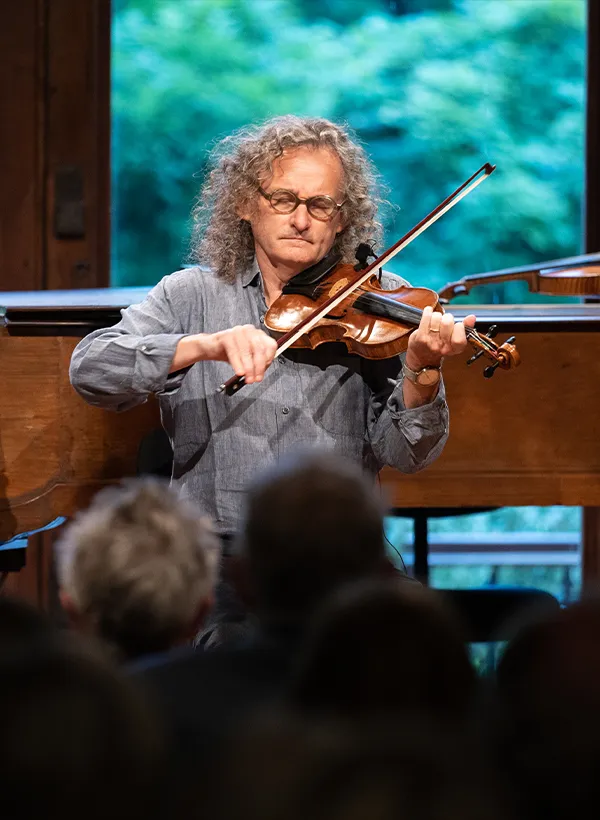
Johann Abraham Peter Schulz is the youngest of the five composers that Ensemble Diderot feature in today’s programme. It is curious to think of trio sonatas still being written during the lifetime of Mozart and Beethoven. Schulz was a student of Kirnberger, who found him a job as accompanist for a Polish princess, which led him on a much-travelled career. Schulz’ A minor Trio Sonata is brief but charming, the opening Allegretto is quietly impressive, relying on dynamic variety to stretch out its main theme. The even shorter Adagio alternates solemn maestoso statements with tiny dancing trios. The finale abjures the normal helter-skelter gigue in favour of a slightly ponderous step dance.
Francis Humphrys
Works in this programme:
Graun Trio sonata in G major Melancholicus & Sanguineus
Kirnberger Trio sonata in D minor
Goldberg Trio sonata in C major
Schulz Trio sonata in A minor
C.P.E. Bach Trio sonata in C minor Sanguineus & Melancholicus